
FAMILY CELEBRATION GAMES
Family Celebration Games for Children, Teens and Adults
For family celebration games across generations, use shared challenges with short turns: uncover a secret object, then invent a party using four unlikely supplies. We suggest this one-hour session for eight players in two groups of four, with an adult host among them. Everyone joins as a player, with options to point, speak or direct a helper.
Families with children ages 4–12, teens and adults
Gather one small game kit for eight players
Seat two groups of four at reachable table spaces. Mix ages where guests are comfortable, without automatically pairing every teen with a younger child. Keep a quieter seat available. The host demonstrates each game before both groups play.
Make two identical sets of twelve object cards. On each card, draw and label one object: book, spoon, umbrella, sock, pencil, cushion, box, scarf, envelope, cup, hat or towel. Simple sketches are enough; show and name every card before starting.
- Paper: 12 sheets total—6 cut into quarters for 24 object cards, 2 planning sheets and 4 spare sheets for drawing or notes.
- On each planning sheet, draw four large boxes labeled Invitation, Decoration, Game and Keepsake. Explain that a keepsake is something guests can take home.
- Tools: 8 pencils, 12 shared crayons, 1 dark marker and adult-use scissors. An adult cuts the cards beforehand.
- Organization: 2 envelopes for the card sets, 1 scrap container and a clock for the host. No printer, prizes or real versions of the pictured objects are needed.
Game 1: uncover the secret together
Each group lays out all twelve cards face up. One player becomes the keeper and silently chooses one pictured object. The other three are investigators. The keeper leaves every card in place and answers questions with yes, no or sometimes.
Investigators take turns clockwise. On a turn, ask one question or make one guess. Try questions such as: Is it usually soft? Could we wear it? A guess can be spoken or pointed out. Brief discussion is welcome, but the current investigator chooses the question.
- Allow six investigator turns altogether, stopping early if the object is identified. There is no speed bonus.
- If it remains a mystery, the keeper offers one helpful clue and everyone agrees on a final guess. Reveal the card, then discuss which clue helped.
- Change keepers and play four rounds so each person has a turn in that role. Keep the cards visible throughout; nobody needs to memorize the layout.
Game 2: invent a four-object celebration
Put the planning sheet between each group's players and return all twelve cards to view. Going around the table, each person chooses one object card for an imaginary celebration. Place those four cards beside the board.
Together, assign one chosen object to each job: invitation, decoration, game and keepsake. Invent a use for every object. For example, an envelope could carry the invitation, a scarf become bunting, a spoon conduct a pretend orchestra and a box hold a thank-you message.
Give each person space to suggest an idea or pass before settling the plan. Keep the four chosen cards; solve awkward combinations through imagination. The group finishes when it can explain all four jobs. These are pretend plans using pictures, with no real objects to build or test.
- Offer a stuck group two possibilities: could the pictured object hold a message, or become part of a guessing game?
- For round two, return the cards and choose again. Add this twist: the imaginary celebration must work without spoken words. Revise the invitation and game accordingly.
- Guests may share the finished plan through drawings, pointing or a spokesperson. There is no vote for the best party.
Give every generation a useful turn
Keep both games seated. Move cards toward the current player, or move a card exactly where they direct. Read labels aloud and use large, dark lettering. Anyone may watch, pass or rejoin; another player can hold the keeper role if needed.
- Ages 4–7: offer two possible questions in the mystery game. For party planning, invite a choice between two objects and let an adult record the child's idea.
- Ages 8–12 and tweens: invite a question that checks several cards at once. In the party game, ask how one chosen object could do a second job.
- Teens and adults: use the same turn limits. Try asking about an object's purpose instead of its appearance, or explain how the second party plan communicates without speech.
- No-score option: finish each game by naming one helpful question or inventive contribution. Passing never needs an explanation.
- Shared-tally option: give the whole gathering one mark per mystery solved or explained after the reveal, plus one per completed party plan. Across both groups, aim for 12 marks: 8 mysteries and 4 plans. Hints cost nothing.
Use this one-hour hosting plan
Treat this as the games portion of a gathering; schedule food and any birthday moment separately. These blocks include explanations and transitions. If conversation runs long, skip the second planning round and adjust the shared target to 10 marks.
- 0–5 minutes: settle into groups, name the pictured objects and demonstrate one question and answer.
- 5–20 minutes: play four mystery rounds per group, changing keepers each time.
- 20–25 minutes: take a water and bathroom break; bring out the planning sheets.
- 25–45 minutes: create two imaginary party plans per group, allowing roughly ten minutes each.
- 45–55 minutes: invite optional sharing of the plans and point out ideas that made them work.
- 55–60 minutes: count cards back into envelopes, collect drawings and clear the tables.
Prepare once and pack away together
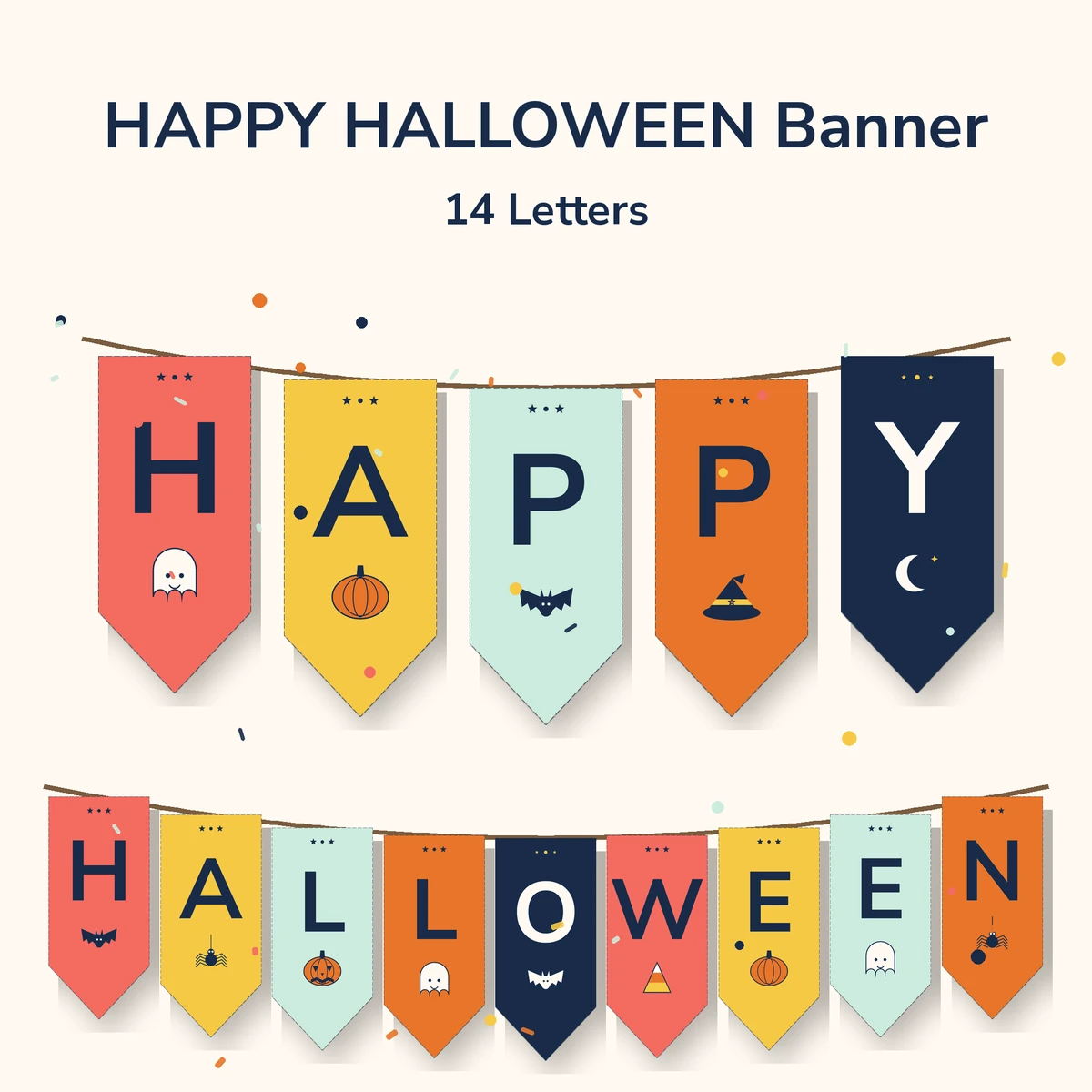
For a Halloween family gathering, our 14-letter HAPPY HALLOWEEN banner can add a seasonal backdrop. It is an optional non-personalized digital instant download from ConfettiKitCreations, purchased through Etsy's external checkout, with no physical shipment. The games here are separate DIY activities.
- The day before: confirm attendance and helpful adaptations; make both card sets and planning sheets. Try one mystery round with a helper.
- Before guests arrive: check that every seat can see the cards, put scissors away and place one complete set at each table.
- After play: count twelve cards into each envelope, collect pencils and crayons, and save clean spare paper. Let guests keep any drawings they made.
- Finish by collecting scraps and wiping the tables. Store the two planning sheets with the cards for another gathering.
Questions, answered.
How can we adapt this for a smaller or larger family?
For four players, use one group, twelve cards and one planning sheet; halve the listed supplies. For twelve, add another group of four with twelve cards, a planning sheet, four pencils and spare paper. Keep groups small so turns stay frequent.
Can a child who cannot read be the keeper?
Yes. Name the pictured objects first and let the child choose silently. Ask short spoken questions, allowing pointing for guesses. If answering feels difficult, offer a shared keeper role with an adult; the remaining players investigate.
Does everyone need to know family stories to join?
No. The games use visible object pictures and imagined celebrations. New partners, friends and relatives can join without knowing family history. Keep examples within the game so nobody needs to explain an inside joke.